
The most dangerous moment on a multi-party program isn't the argument. It's the approval that arrives too easily.
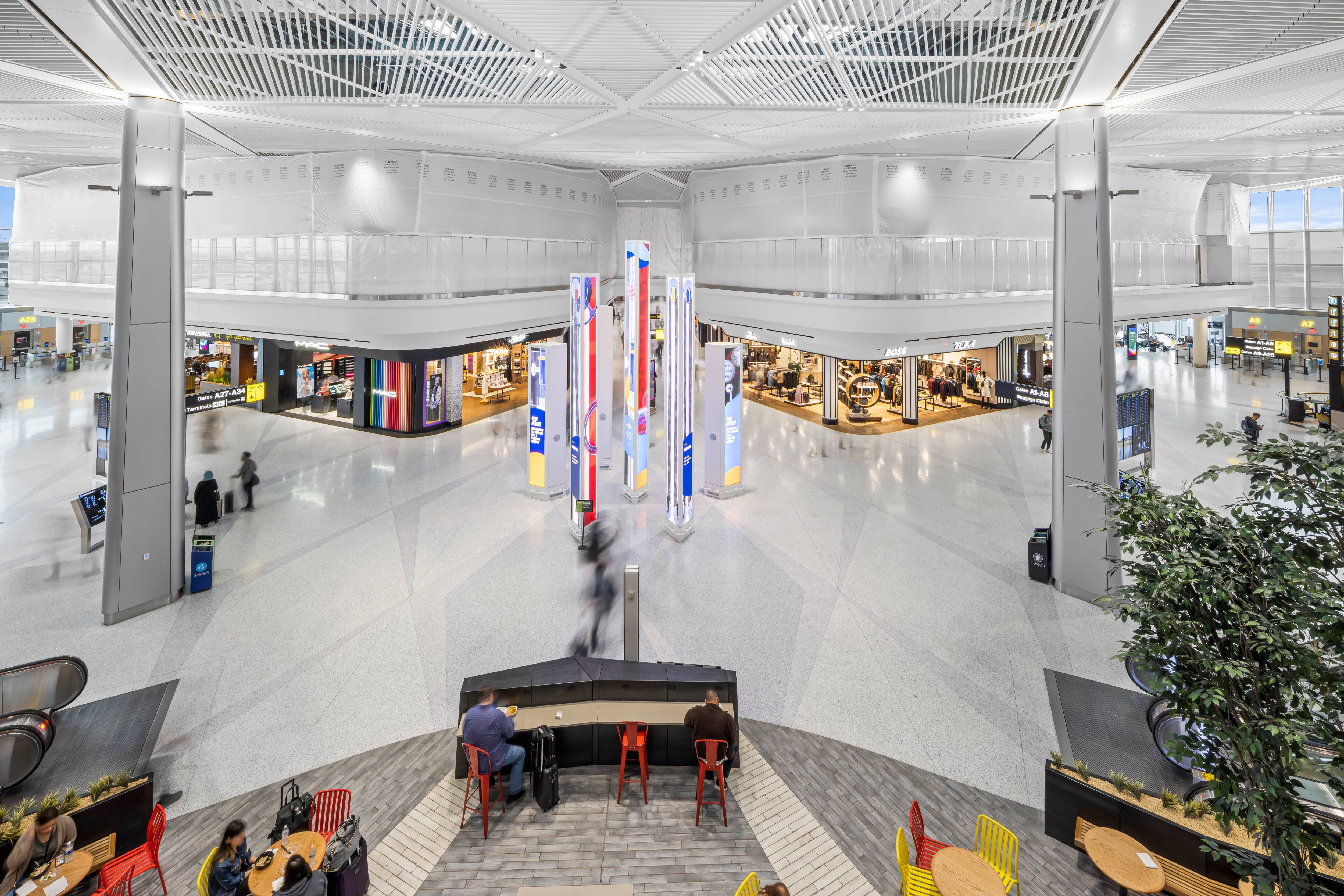
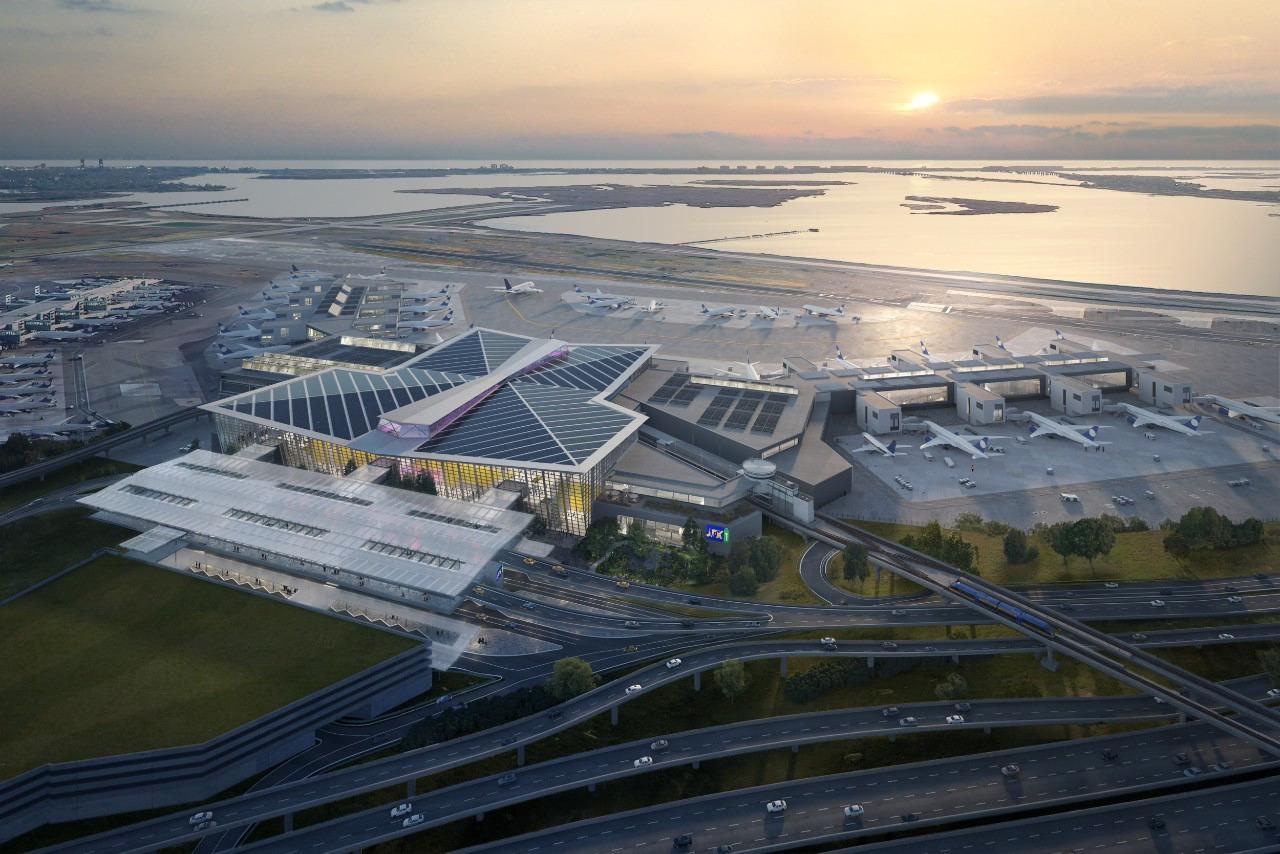
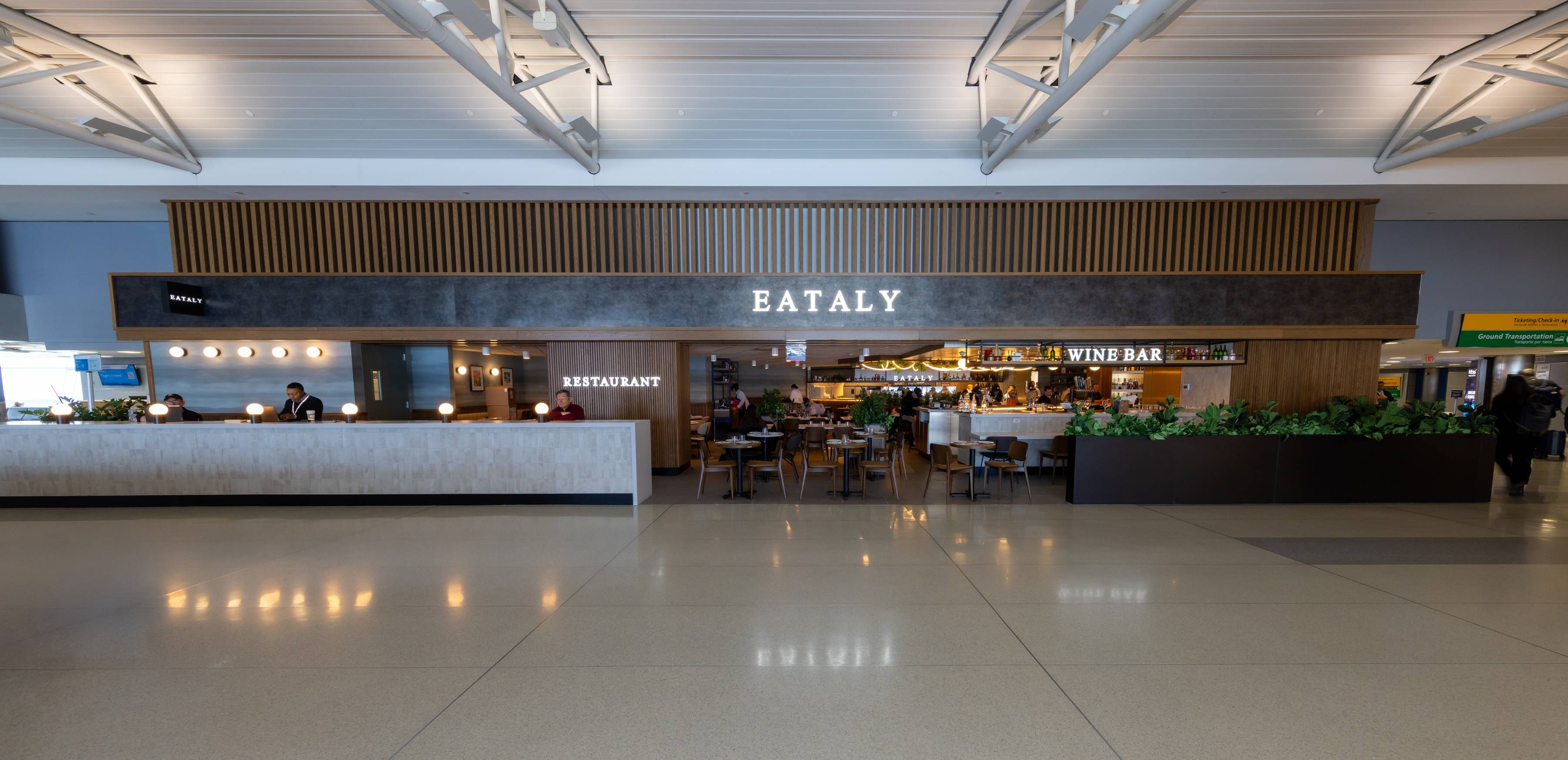
Almost nobody asks us about the construction at Terminal 8. It's the part that photographs well and the part that's most solvable — trades know how to build a restaurant. What decides whether a program that size lands isn't whether anyone can build it. It's whether everyone with a say wants the same building.
The Port Authority is accountable to the public and the passenger. The airline is thinking about operations and gate flow. The commercial operator is thinking about revenue per square foot. The brand is protecting standards it applies in three hundred other locations. The contractor is thinking about access at two in the morning.
Put a drawing in front of all of them and you'll often get six approvals. What you won't get is agreement — each party read it against its own priorities, and nobody asked the question that would have surfaced the conflict.
Approving a unit's location isn't agreeing how it gets serviced. Approving a concept isn't agreeing what happens when its equipment lead time runs past the phase it sits in. Approving a design isn't agreeing who pays when the base building turns out different from the drawings.
Those disagreements exist from day one whether or not anyone voices them. The only variable is when they surface. Early, it's a conversation. Late, it's a change order, and two other trades have already built on the assumption.
So much of what we do is manufacture the argument on purpose — asking the question likely to produce a "no" while a no is still cheap, and treating a frictionless approval as a sign somebody hasn't read it properly yet.
Terminal 8 tested whether that was real. In December 2025, four months before opening, the commercial operator changed hands. New ownership, final stretch, live terminal. The program opened on schedule — not through heroics, but because the alignment sat in how decisions were made and recorded rather than in the goodwill of particular individuals.
If your program only works when the same people stay in their chairs, you don't have alignment. You have luck with a good run behind it.