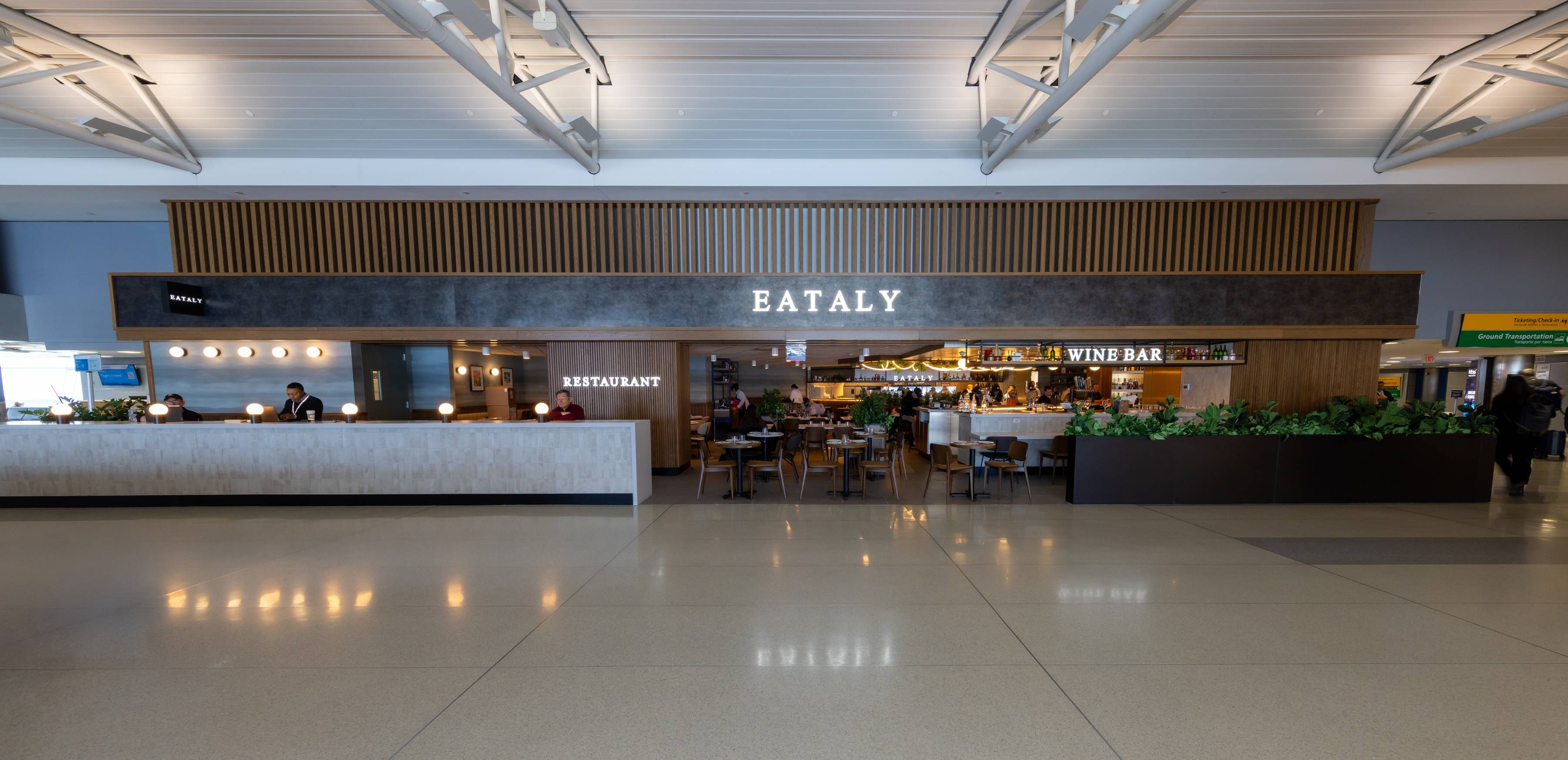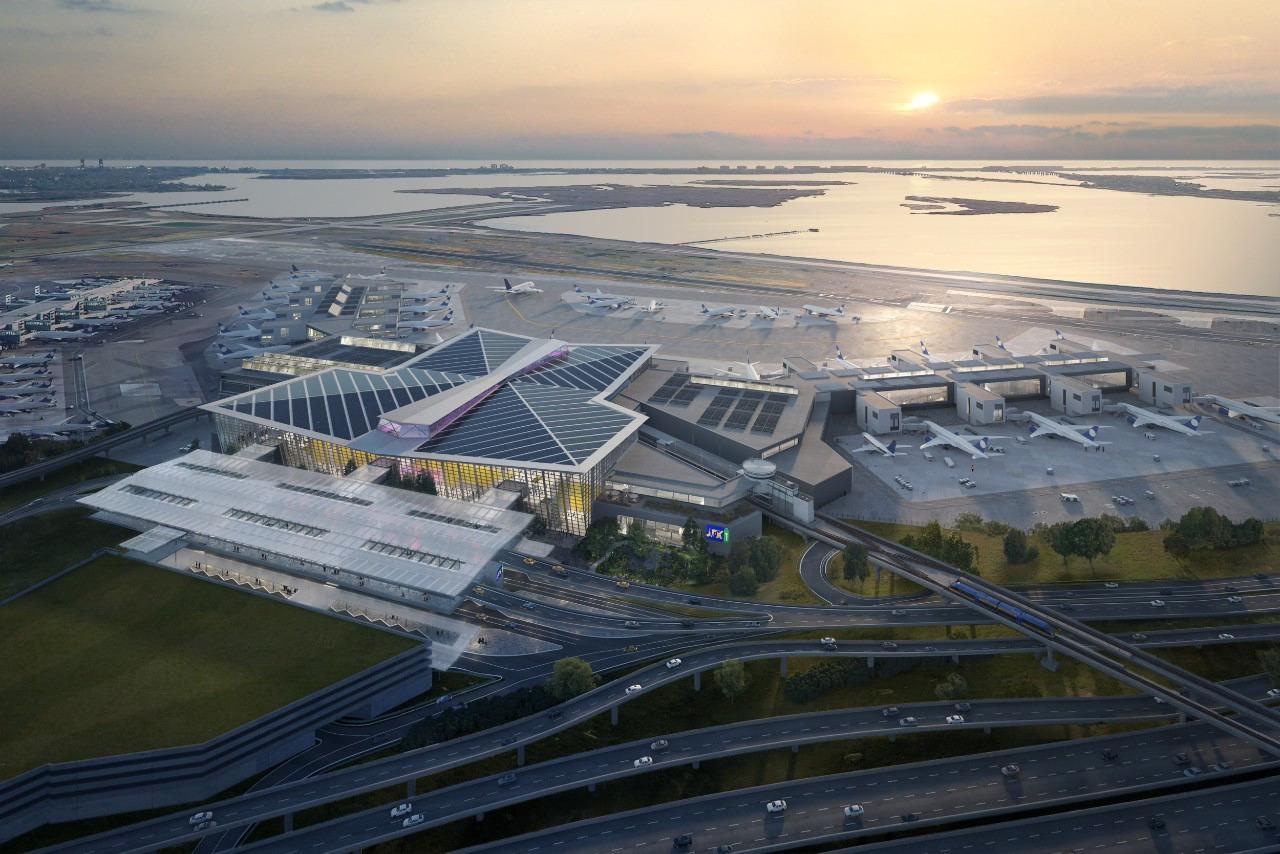

In 2020, every assumption underneath airport retail stopped being true at the same time.
Passenger forecasts became worthless — not inaccurate, worthless, because nobody could say whether the number in eighteen months was ten million or two. Brands stopped signing. Rent built on a percentage of sales meant nothing when the honest projection for sales was zero. And at Newark, the terminal we were meant to fill was still being built around us.
One thing didn't move. The opening date.
At the time that felt like the cruelty of the situation. Looking back, it was the most useful thing we had.
When everything is negotiable, nothing gets decided. A fixed date converts an unanswerable question — what will the market be? — into an answerable one: what can be open, and working, on this day? You can build a sequence backwards from a date. You cannot build one backwards from a hope.
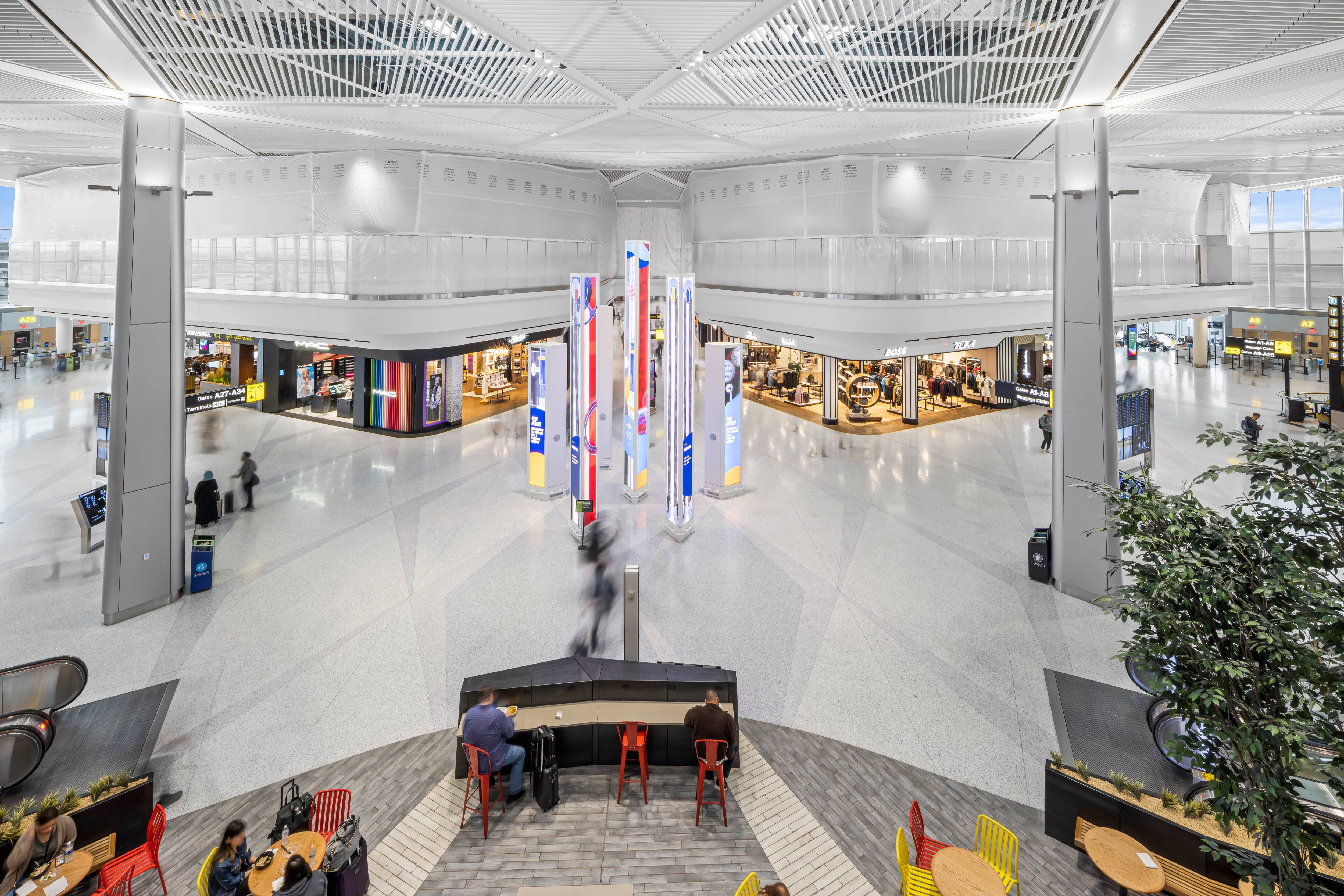
So we let the date hold and changed the shape of everything else. If you can't forecast volume, you stop pricing on a forecast — the adaptive rent model made commitment rational at a moment when committing to an airport looked like the least rational thing in retail. The same logic ran through the commercial thinking: the Journey of Surprises treated the program as a sequence rather than a floor plate, and the Digital Journey, produced by Moment Factory with Munich Airport NJ and the Port Authority, turned static signage into something that responded to the person walking past.
None of that was possible because conditions were good. It was possible because conditions were bad enough that the usual answers were obviously unavailable, and everybody knew it. Constraints don't reduce the number of good options. They reveal how many were never real.
Terminal A opened. Skytrax rated it five stars, and a month later passengers voted it the best new terminal in the world. We didn't win that award — the terminal did, along with the Port Authority, Munich Airport NJ, the designers, the contractors, and the several thousand people who built it. What we know is what went into it, which is a different thing and a less quotable one.
We didn't set out to start a company. We set out to open on time. Camarilla is roughly what was left over once we had.